
Backtesting Your Strategy: Why It's Non‑Negotiable
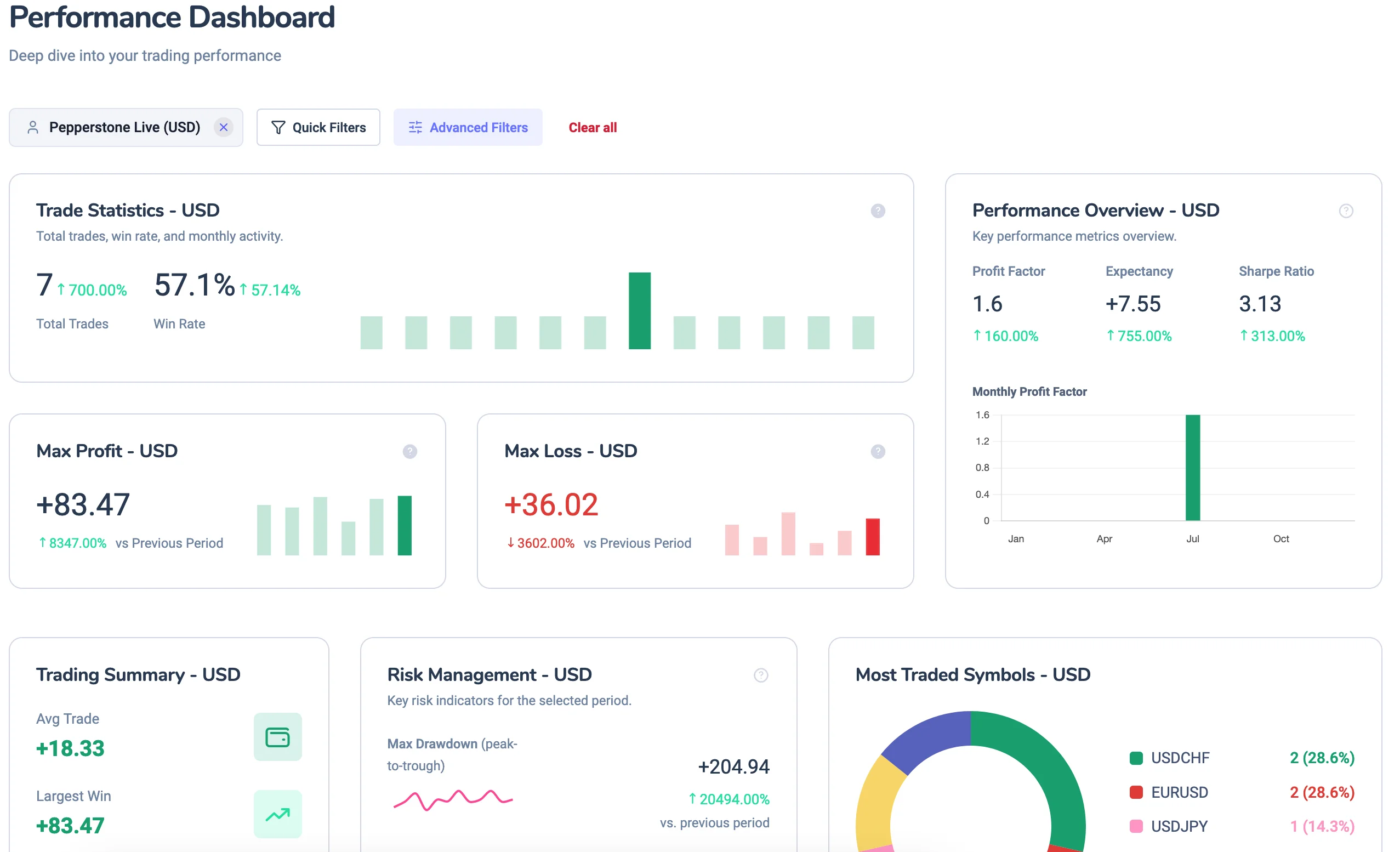
Would you fly a plane without checking the engines first? Would you drive a car without testing the brakes? Of course not. Yet most traders risk real money on strategies they've never properly tested. Backtesting is your pre‑flight checklist — it validates your edge before you trust it with your capital.
A strategy that looks great on a chart in hindsight is often a disaster in real time. Backtesting removes the emotion and lets you see the cold, hard data.
1. Why Backtesting is the Foundation of Trading
Backtesting is the process of applying your trading rules to historical market data to see how the strategy would have performed.
- It validates your edge. You might think your strategy works, but backtesting shows you the evidence.
- It reveals the true metrics. You'll know your real win rate, average profit/loss, and drawdown.
- It builds confidence. Knowing your strategy has worked across different market conditions gives you resilience.
- It prevents curve‑fitting. You'll avoid the trap of "optimising" your strategy to fit past data perfectly.
Without backtesting, you're not trading — you're gambling.
2. The 5‑Step Backtesting Framework
5‑Step Backtesting Framework
-
1.
Define Your Rules. Your strategy must be completely objective. Define exact entry, stop loss, and profit target. No ambiguity.
-
2.
Choose a Sufficient Sample Size. A minimum of 100–200 trades is recommended.
-
3.
Use Out‑of‑Sample Data. Test on multiple time periods — bull, bear, and sideways markets.
-
4.
Record Every Trade. Track entry, exit, profit/loss, win/loss, and any other relevant data.
-
5.
Analyse the Results. Calculate win rate, average win/loss, profit factor, maximum drawdown, and Sharpe ratio.
3. Backtesting vs. Forward Testing
- Backtesting (Historical): Testing on past data. It tells you if the strategy would have worked.
- Forward Testing (Paper Trading): Testing on current data without risking real money. This confirms your backtest wasn't a fluke.
- Live Trading: Once you've successfully backtested and forward‑tested, start with small real capital.
4. Common Backtesting Mistakes
- Over‑Optimisation (Curve‑Fitting): Adjusting your strategy to fit past data perfectly. Keep your rules simple.
- Survivorship Bias: Only testing on assets still trading today. Use survivorship‑free data.
- Look‑Ahead Bias: Using data that wasn't available at the time. Only use the data that would have been available.
- Ignoring Transaction Costs: Forgetting spreads, commissions, and slippage. Always include realistic costs.
- Testing on Too Few Trades: 30 trades might be luck. You need at least 100–200 trades.
- Not Accounting for Emotions: Backtesting assumes perfect execution. Be realistic about your ability to execute.
5. Tools and Software for Backtesting
- Manual Backtesting: Use a spreadsheet and historical data. Perfect for beginners.
- TradingView: Built‑in backtesting with Pine Script.
- MetaTrader 5: Powerful Strategy Tester supporting multi‑currency and tick‑data backtesting.
- Python (Backtrader, Backtesting.py): Complete control and customisation.
- Dedicated Platforms: Amibroker, NinjaTrader, QuantConnect.
Learn how to sync your MT5 trades into your journal to track your live performance against your backtested results.
Conclusion: Test Before You Trust
Backtesting is the foundation of professional trading. It separates those who trade with an edge from those who trade on hope. Without proper backtesting, you're essentially playing a game of luck. With it, you turn trading into a data‑driven profession.
Ready to track your backtested and live performance?
Laxarr's journal and analytics tools help you compare your backtested results with your live trading performance.
Get started free