
The 1% Rule: The Golden Standard of Risk Management
Imagine a simple rule that separates the traders who last decades from those who blow up in months. It's the 1% rule — and it's the single most important risk management principle in trading.
The 1% rule states that you should never risk more than 1% of your total trading capital on a single trade.
1. What is the 1% Rule?
If you have a $10,000 account, your maximum risk per trade is $100.
2. The Math of Survival: Why 1% Works
| Risk Per Trade | 5 Losses in a Row | 10 Losses in a Row | Recovery Required |
|---|---|---|---|
| 1% | ~5% drawdown | ~10% drawdown | 11% return needed |
| 2% | ~10% drawdown | ~20% drawdown | 25% return needed |
| 5% | ~23% drawdown | ~40% drawdown | 67% return needed |
| 10% | ~41% drawdown | ~65% drawdown | 186% return needed |
The takeaway: The deeper the drawdown, the harder it is to recover.
3. How to Apply the 1% Rule
Step 1: Determine your account balance. Step 2: Calculate 1% risk. Step 3: Identify your stop loss distance. Step 4: Calculate your position size.
4. What About 2%? Understanding Your Tolerance
1% is for consistency and survival. 2% is for experienced traders with a proven edge. Start with 1%.
5. The Psychology of Risking 1%
The 1% rule removes emotional attachment to losses. It prevents revenge trading and builds confidence.
6. Common 1% Rule Mistakes
Risking 1% on every trade, but increasing it after losses. Ignoring correlated trades. Not adjusting for news or volatility.
Conclusion: The Rule That Keeps You in the Game
The 1% rule isn't flashy. It won't make you rich overnight. But it will keep you in the game long enough to become a profitable trader.
Ready to apply the 1% rule to your trading?
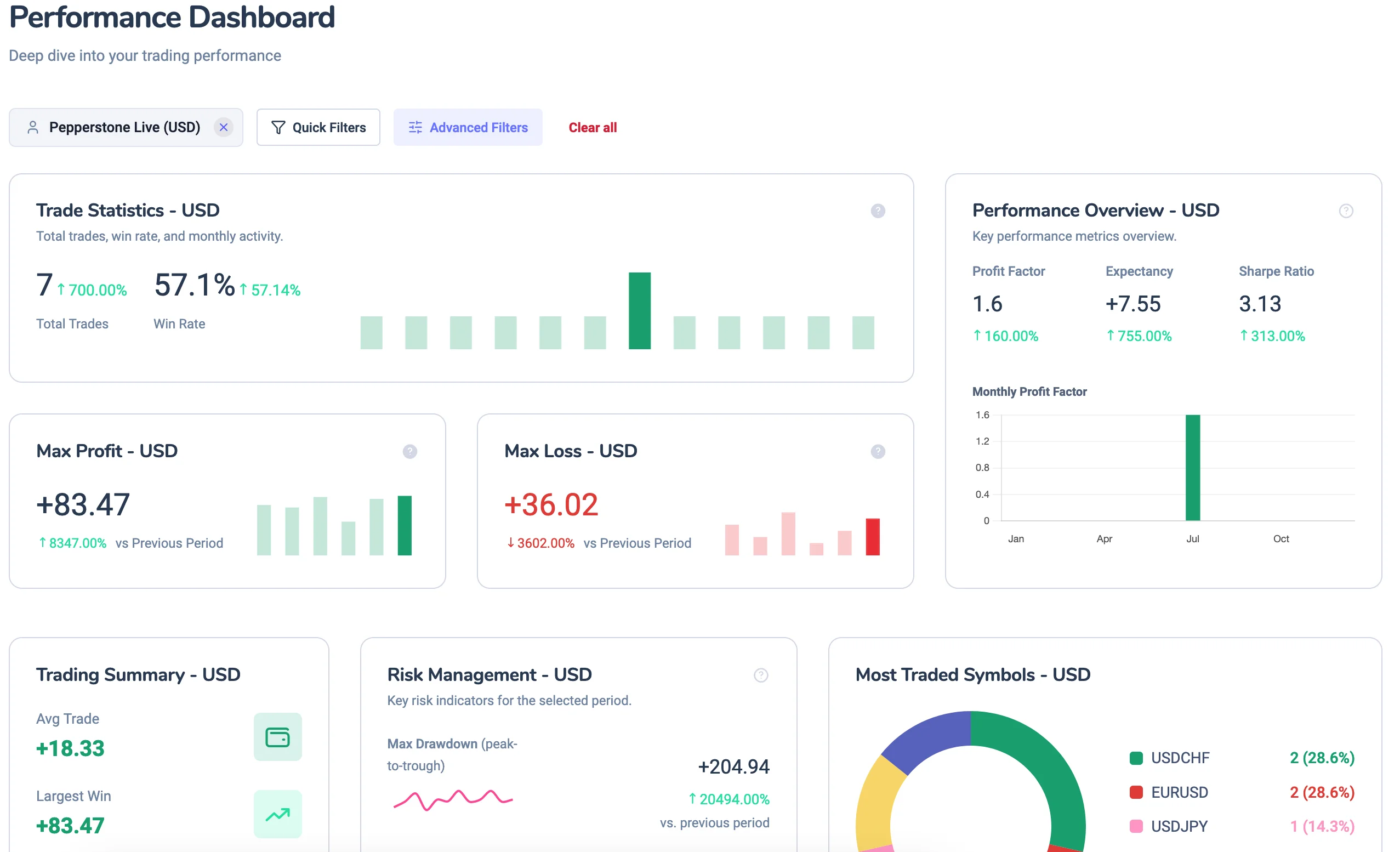
Laxarr's journaling tools help you track your risk per trade and performance automatically.
Get started free